



What is a life history?
- A person’s past is a vital part of their dementia experience. Knowing about a person’s history helps you to support the person with dementia today.
- A life history is more than just a series of life events. It includes:
- Beliefs / values /religion / faith.
- Likes / dislikes.
- Important events, accomplishments and disappointments.
- People – spouse, partner, friends, family, colleagues - and pets.
- Favourite or significant places, important objects and possessions.
- Talents/skills/capabilities.
- Hobbies and interests.
- Education and work life.
- Habits.
- How a person reacts to situations.
How does life history help?
- Knowing someone’s life history can reveal a person’s past routines which can be used now in their day to day care
- Having information can help to explain a person’s current behaviour and actions.
- Families, friends and other carers may have a better chance of understanding what a person may be trying to communicate. Life history may also reveal a person’s private language and words.
- Sharing a life history can give a person the chance to talk about their past and feel involved.
- Knowing a life history can give clues to a person’s strengths, what they are still capable of doing for themselves.
How do I find out about life history?
- Start with the person you are caring for - if their memory allows. Recent history is as valuable as past history but the person with dementia will probably have better recall of older memories.
- Collect the information in stages. A person with dementia may not be able to concentrate on one subject for very long.
- Use prompts such as a particular era – when the person was at school, their first job/child. Find out what was happening in the country or locality at that time to give shape to the recollections – this is especially helpful if the person has great difficulty trying to locate old memories.
- Using props from a bygone age to prompt reminiscence can be useful for gathering information and stimulating old memories.
How do I use life history?
- You can use the person’s experiences and their ‘well known’ or esoteric words in your conversations with them.
- Sometimes you can adjust how you care for the person to incorporate their old habits and routines.
- You could give a person the chance to talk about their past in a postive way, share their memories and make conversation more meaningful.
- The person may have a collection of old photographs that you could identify and label. This will allow you and others opportunities to chat about who is in a photo, where a photo was taken, holidays, places, pets etc.
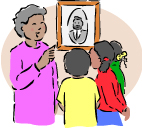
- Sharing life history with younger family members or carers can give them a different perspective on the person they see before them now.
- Sharing life history with younger family members or carers can give them a different perspective on the person they see before them now.
© Guideposts Trust Ltd. Registered Charity no. 272619 – not to be
reproduced without prior permission